
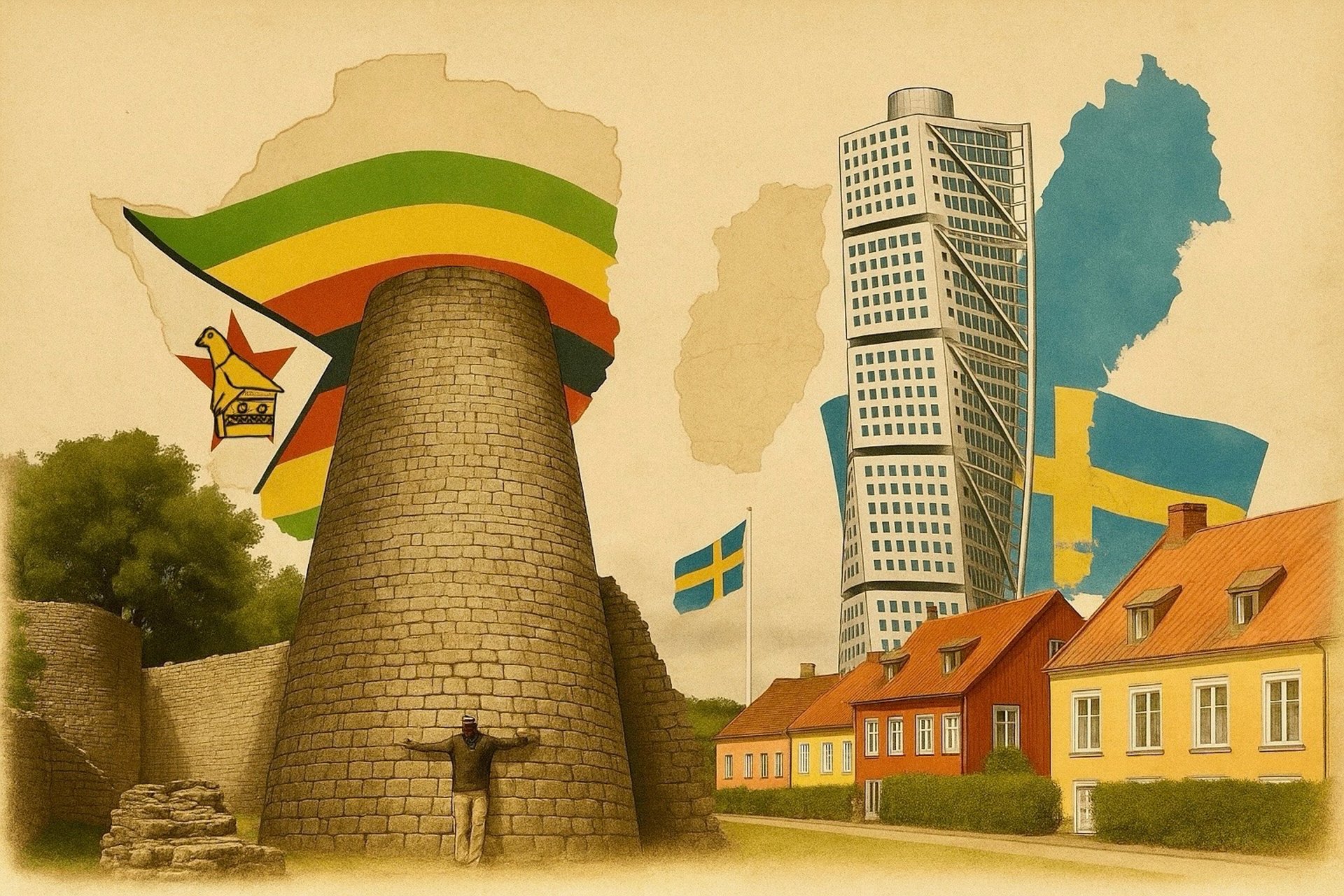
Living Across Cultures
Where Culture Meets Strategy-Your compass for navigating cultural complexity
Living Across Cultures:
Where Culture Meets Strategy - Your compass for navigating cultural complexity
In a globalised world, the biggest challenges to international collaboration are no longer distance or lack of talent or opportunity, but the ability to manoeuvre across cultural differences. Different societies operate on deeply different assumptions about communication, trust, leadership, time, hierarchy, responsibility, and success. These differences remain invisible until people from opposite cultural systems attempt to work together. When they do, misunderstandings are often mistaken for incompetence, lack of commitment, or bad intentions. Understanding the potential impact of cultural differences in cross-cultural partnerships is not optional — it is a strategic advantage.
Living Across Cultures is a platform dedicated to exploring how professional, social, cultural, and business practices shape the way we work together across diverse societies.
My inspiration in creating this platform comes as a result of my experiences living, studying and working in Zimbabwe until I was 28 then, after that, living and working in Mozambique for 4 years and most recently these past 12 years that I have been living and working in Sweden.
It is good to know that...
This website is not a platform for comparing or criticising cultures and their related behaviours, but rather a platform for celebrating what makes each culture unique and how an interested person can learn to understand the other much better. I can warn you that while the discussions about culture on this site may tend to be generalised, I do recognise that there are some traits that distinguish individuals even as members of the same culture and there are also differences that exist within each culture and nationality that might not fit into the models described here.
This does not mean that what you find on this site is unusable, far from it. It is , at least, a first step in building cultural understanding, especially since culture is more visible in the collective, the group; the shared behaviours that the average members of the group have, rather than the behaviour of an autonomous individual.
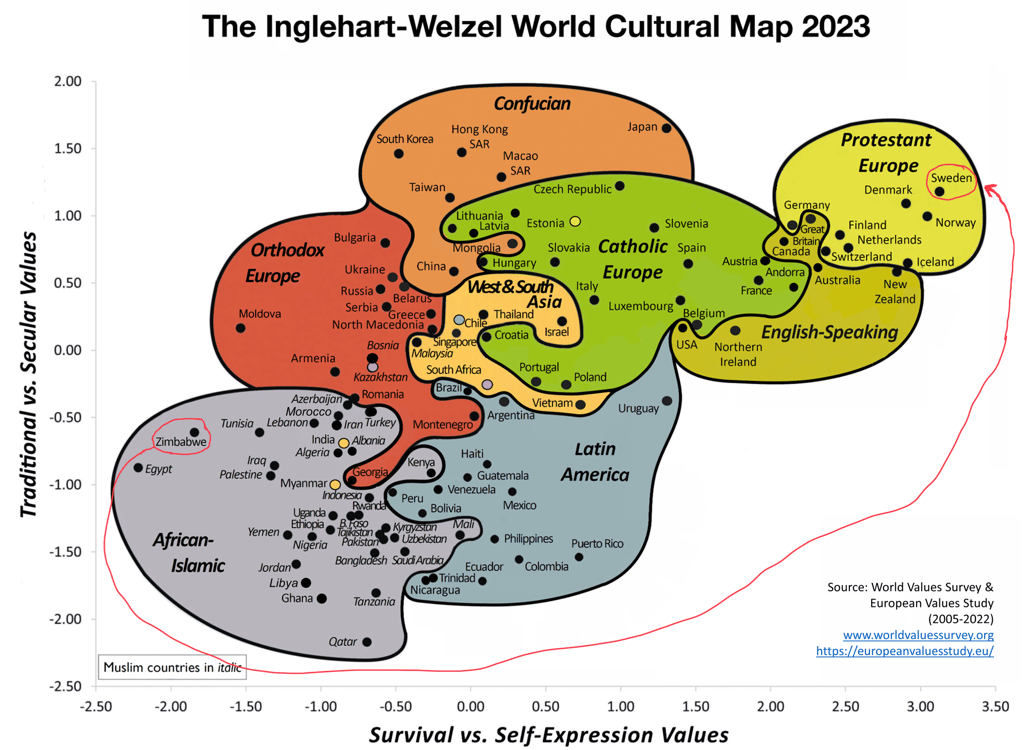
Using Zimbabwe and Sweden as anchor case studies—two countries positioned on opposite ends of the World Values Survey cultural spectrum—this blog examines what happens when contrasting worldviews meet in boardrooms, classrooms, communities, and negotiation tables. It explores how professional, social, and business interactions change across cultures, why friction emerges, and how it can be transformed into strength.
Drawing from lived experience in both societies, combined with research-based frameworks, Living Across Cultures offers:
Practical tools for cross-cultural collaboration
Comparative analyses of workplace and social norms
Strategies for overcoming communication barriers
Case studies illustrating real-world challenges
Insights applicable to global teams and international partnerships
and occasionally, fun stories captured at cultural crossroads
This blog is designed for professionals, entrepreneurs, NGOs, educators, organisations and plain old individuals seeking to operate confidently across cultures. Whether you are expanding into new markets, managing multicultural teams, or simply curious about how cultural values shape human behaviour, Living Across Cultures provides the clarity and guidance needed to thrive in a connected world.
Why Zimbabwe and Sweden?
Having lived and worked extensively in both, I’ve seen how Zimbabwe and Sweden represent opposite ends of the cultural spectrum — from hierarchy and collectivism to individualism and egalitarianism. Being a husband in a cross-cultural marriage to a swede and a father to three children being raised in a climate where these two cultures converge daily, my experience of the vast space between these two cultures is ever expanding. The contrast between how Zimbabweans and Swedes view power structures, (hierarchy vs egalitarianism), community vs individuality and direct vs Indirect communication among other aspects makes them ideal anchor points for exploring cultural distance, with many other societies falling somewhere in between. Insights drawn from these extremes offer practical guidance for navigating cross-cultural collaboration anywhere in the world.
Zimbabwe represents cultures shaped by:
Strong relational networks
Context-driven communication
Flexibility regarding Time
Adaptive problem-solving
Community-oriented values
Respect for hierarchy
Sweden represents cultures shaped by:
Institutional trust
Direct communication
Rigid approach to Time
Structured systems
Individual accountability
Linear and egalitarian approach
Between these two worlds lies the reality faced by millions of professionals working across borders. This blog is not about choosing one culture over another. It is about learning how to operate fluently in both.
The insights shared here apply not only to Zimbabwe and Sweden, but to any interaction between:
Global North and Global South
High-context and low-context cultures
Relationship-based and system-based societies
If you work in international business, diplomacy, development, education, or global teams, this space is designed to give you:
Cultural clarity
Strategic awareness
Communication confidence
Cross-cultural intelligence
Welcome to a space where differences become strengths — and where cultural understanding becomes a catalyst for meaningful collaboration.
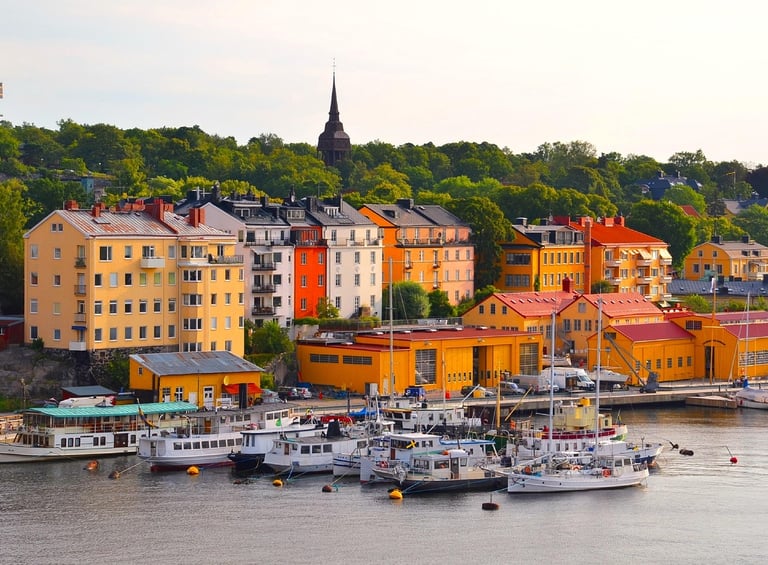
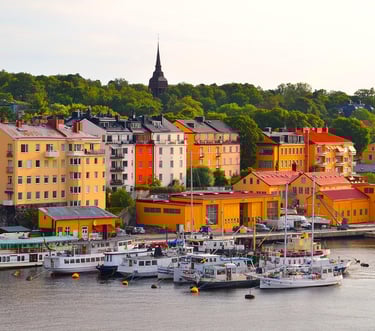
Sweden: Where Structure meets Trust!
Welcome to a culture shaped by quiet confidence, deep trust, and a belief in systems that work.
Sweden represents a world where professionalism is built on clarity, responsibility, and equality. In the workplace, hierarchy is light, decisions are collaborative, and everyone is expected to take ownership of their role. Planning is valued, time is respected, and transparency is not a courtesy but a standard.
Socially, Sweden is anchored in respect for personal space, fairness, and autonomy. Relationships grow steadily rather than dramatically, and trust is established through consistency rather than closeness. Communication is direct yet restrained, honest yet considerate. What is said is usually exactly what is meant.
Culturally, Sweden reflects a society that values balance, sustainability, and long-term thinking. It is a place where independence coexists with strong social responsibility, and where calm efficiency often replaces urgency and showmanship.
This is a culture that may appear reserved at first, but once understood, reveals exceptional reliability, integrity, and depth.
Zimbabwe: Where Relationships Create Strength
Welcome to a culture powered by human connection, adaptability, and resilience.
Zimbabwe represents a world where professionalism is inseparable from relationships. In the workplace, trust is personal before it becomes procedural, and collaboration thrives on mutual respect, warmth, and social awareness. Flexibility, improvisation, and relational intelligence are prized skills.
Socially, Zimbabwe is rich in community orientation. Belonging matters. People are valued not only for what they do, but for who they are and how they relate to others. Communication is expressive, layered, and context-driven. Meaning is often carried as much in tone, gesture, and shared history as in words.
Culturally, Zimbabwe reflects a society that is deeply rooted in collective responsibility, hospitality, and cultural continuity. It is a place where identity is shared, generosity is instinctive, and resilience is woven into everyday life.
This is a culture that feels alive, warm, and deeply human, where connection is not a bonus but the foundation of everything.


Join This Cultural Journey
Let's Explore Culture Intelligence Together!
info@livingacrosscultures.com
© 2025. All rights reserved.